Introduction
The scalpel harmonic, also known as the harmonic scalpel, is one of the most advanced tools used in modern surgery today. It has completely changed how surgeons perform operations by combining two important functions—cutting tissue and controlling bleeding—into a single instrument. This innovation has made surgical procedures safer, faster, and more efficient.
In the past, surgeons depended on traditional scalpels to cut tissue and used separate tools such as sutures or electrocautery devices to stop bleeding. This process required more time and increased the complexity of procedures. With the introduction of the harmonic scalpel, these steps are now combined, allowing surgeons to work more smoothly and with greater confidence.
Today, the harmonic scalpel is widely used across different surgical fields, especially in minimally invasive surgeries where precision and reduced tissue damage are extremely important. Its growing popularity reflects the shift toward safer and more patient-friendly surgical techniques.
What Is a Scalpel Harmonic?
The scalpel harmonic is a specialized surgical device that uses ultrasonic energy, or high-frequency sound waves, to perform its function. Instead of relying on electrical current or sharp manual force alone, this tool operates through rapid vibrations that can cut and seal tissue at the same time.
These vibrations occur at a very high frequency, typically around 55,000 cycles per second. This allows the device to work with remarkable precision while producing only a controlled amount of heat. Unlike traditional electrocautery devices, which burn tissue to stop bleeding, the harmonic scalpel uses mechanical energy to achieve similar results with less damage.
In simple terms, it is a modern surgical instrument that offers a smarter and more refined approach to cutting and coagulation, making it highly valuable in today’s medical practice.
How the Harmonic Scalpel Works
The working mechanism of the harmonic scalpel is based on ultrasonic vibration. When the device is activated, it generates high-frequency mechanical energy that is transmitted to its blade or tip. As the blade vibrates rapidly, it comes into contact with the tissue and creates friction.
This friction produces a moderate level of heat, which is enough to break down proteins in the tissue. This process, known as protein denaturation, allows the tissue to be cut while simultaneously sealing blood vessels. As a result, bleeding is significantly reduced during surgery.
An important advantage of this process is that the temperature remains lower than that of traditional electrical devices. Because of this, the surrounding tissues are less likely to be damaged. This makes the harmonic scalpel particularly useful in delicate surgical areas where precision is critical.
Scalpel Harmonic – Quick Bio Table
| Field | Details |
|---|---|
| Name | Scalpel Harmonic (Harmonic Scalpel) |
| Type | Surgical Instrument |
| Technology | Ultrasonic (Sound Wave Energy) |
| Function | Cuts tissue and seals blood vessels |
| Working Speed | ~55,000 vibrations per second |
| Used In | Laparoscopic, thyroid, and general surgery |
| Energy Source | Mechanical (Ultrasonic), not electrical burning |
| Key Benefit | Less bleeding and high precision |
| Safety Level | High (low heat damage) |
| Common Users | Surgeons and medical professionals |
| Modern Use | Minimally invasive and robotic surgery |
Main Components of the Device
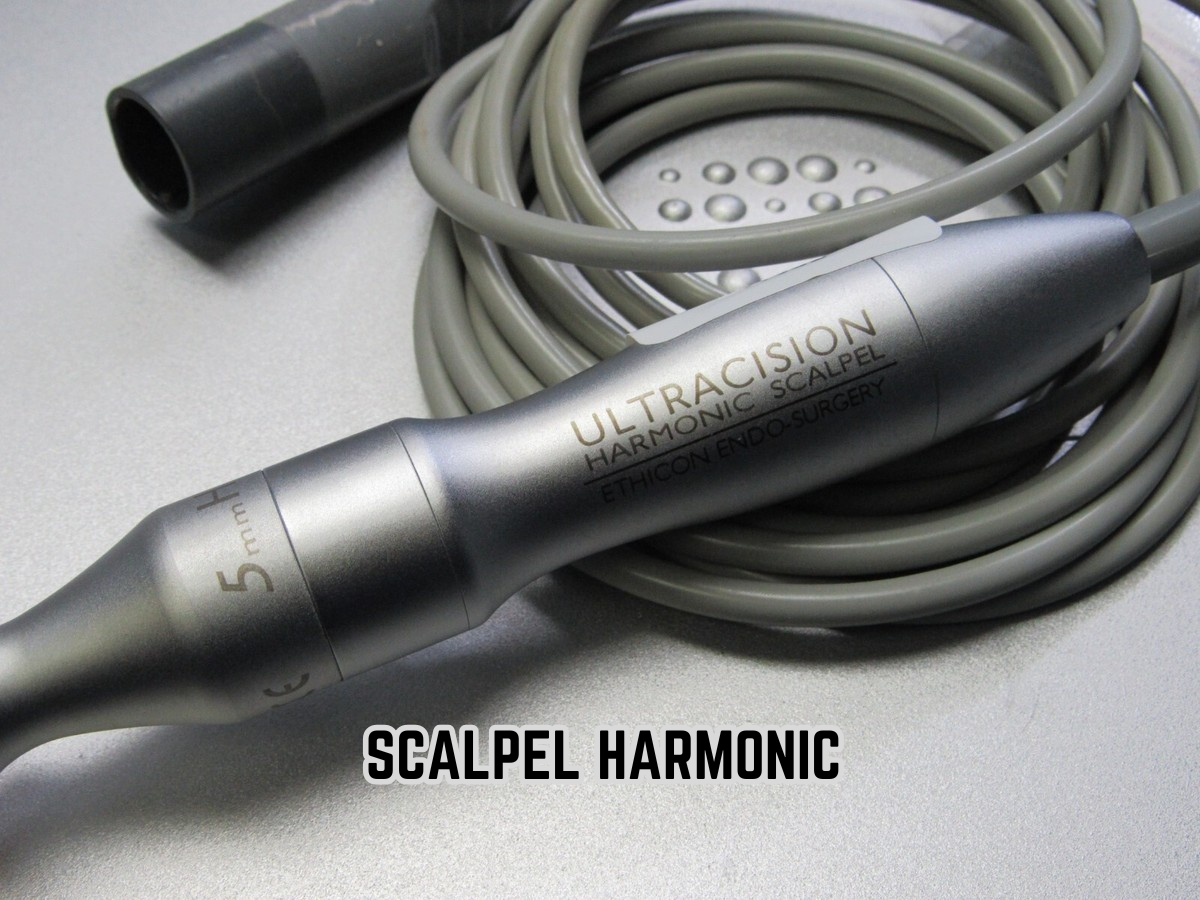
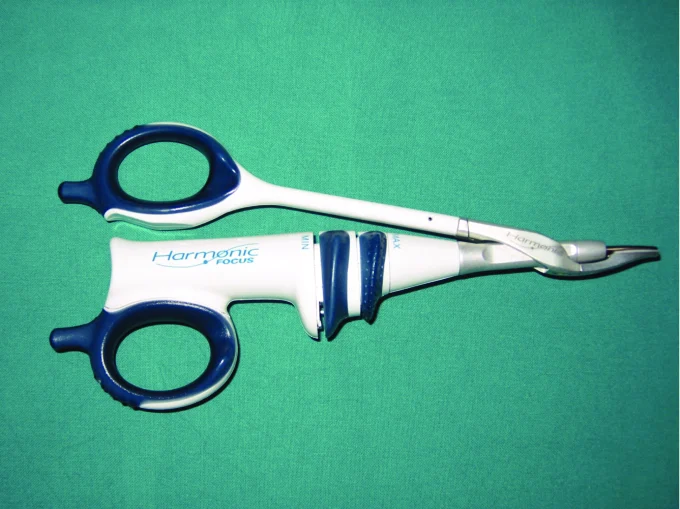
The harmonic scalpel system consists of several key components that work together to ensure effective performance. At the core of the system is the generator, which produces the ultrasonic energy required for the device to function. This energy is then delivered to the handpiece, which is the part held and controlled by the surgeon during the procedure.
Attached to the handpiece is the blade or tip, which performs the actual cutting and sealing of tissue. The system also includes controls that allow the surgeon to adjust the energy levels according to the specific needs of the operation. Each of these components plays a crucial role in ensuring that the device operates safely and efficiently.
Key Uses in Surgery
The harmonic scalpel is widely used in a variety of surgical procedures due to its versatility and effectiveness. It is especially common in laparoscopic surgeries, where small incisions are made and precision is essential. In these procedures, the ability to cut and control bleeding at the same time is highly beneficial.
It is also frequently used in thyroid surgery, gallbladder removal, and gynecological operations. In addition, the harmonic scalpel has proven useful in colorectal and plastic surgeries, where careful handling of tissues is required.
Its adaptability makes it suitable for both simple and complex procedures, and it continues to be an important tool in modern surgical practice.
Benefits of the Harmonic Scalpel
One of the main reasons for the increasing use of the harmonic scalpel is the wide range of benefits it offers. One of the most significant advantages is its ability to reduce bleeding during surgery. By sealing blood vessels as it cuts, it minimizes blood loss and provides a clearer view for the surgeon.
Another important benefit is its high level of precision. The device allows surgeons to perform delicate procedures with greater control, reducing the risk of accidental damage to nearby tissues. This is particularly important in surgeries involving sensitive areas of the body.
The harmonic scalpel also causes less thermal damage compared to traditional electrocautery devices. This means that surrounding tissues remain healthier, which contributes to better healing after surgery. Additionally, because it combines multiple functions into one tool, it helps reduce the overall time required for a procedure.
Another advantage is the reduced production of surgical smoke. This improves visibility in the operating area and creates a better working environment for the surgical team. Patients also benefit from quicker recovery times, less pain, and fewer complications.
Comparison with Traditional Surgical Tools
When compared to traditional surgical tools, the harmonic scalpel offers several clear advantages. Traditional scalpels are effective for cutting but do not provide any means of controlling bleeding. This requires the use of additional tools, which can slow down the procedure.
Electrocautery devices, on the other hand, are capable of stopping bleeding but do so by using high levels of heat. This can lead to damage in surrounding tissues and may increase the risk of complications.
The harmonic scalpel provides a balanced solution by using lower temperatures while still achieving effective cutting and coagulation. This combination of features makes it a preferred choice in many surgical settings.
Advantages in Minimally Invasive Surgery
Minimally invasive surgery has become increasingly popular due to its many benefits, including smaller incisions, less pain, and faster recovery times. The harmonic scalpel plays a crucial role in these procedures by providing the precision and control needed to work in confined spaces.
During these surgeries, surgeons rely on cameras and specialized instruments to perform operations through small openings. The harmonic scalpel helps maintain a clear view by reducing bleeding and allows for smooth and controlled movements.
Its ability to perform multiple functions with minimal tissue damage makes it an ideal tool for laparoscopic and robotic surgeries, where accuracy is essential.
Limitations and Challenges
Despite its many advantages, the scalpel harmonic, does have some limitations. One of the main challenges is its cost, as it is more expensive than traditional surgical instruments. This can make it less accessible in certain healthcare settings.
Another limitation is the need for proper training. Surgeons must be familiar with the device and its operation to use it effectively. Without adequate experience, its full benefits may not be realized.
The harmonic scalpel is also not always suitable for very large blood vessels, which may require different techniques for effective sealing. Additionally, the equipment requires careful maintenance to ensure consistent performance.
Safety and Reliability
Safety is a key factor in any surgical procedure, and the scalpel harmonic, is designed to meet high safety standards. Because it does not rely on electrical current in the same way as traditional devices, it reduces the risk of burns and electrical injuries.
Its controlled energy delivery ensures consistent performance, making it a reliable tool even in complex surgical procedures. These features contribute to improved patient outcomes and greater confidence among surgeons.
Role in Modern Healthcare
The scalpel harmonic, represents an important step forward in the evolution of surgical technology. It supports the growing demand for procedures that are less invasive, more efficient, and safer for patients.
Hospitals around the world are adopting this technology to improve surgical outcomes and enhance patient care. It is also playing a significant role in the development of robotic surgery, where precision and control are critical.
Future of Harmonic Scalpel Technology
As technology continues to advance, the scalpel harmonic, is expected to become even more effective. Future improvements may include better energy control systems, more compact designs, and greater compatibility with robotic surgical platforms.
These advancements will likely expand its use and make surgical procedures even safer and more efficient. The continued development of this technology reflects the ongoing effort to improve healthcare through innovation.
Conclusion
The scalpel harmonic is a powerful example of how modern technology is transforming surgery. By combining cutting and coagulation into a single tool, it simplifies procedures and improves precision.
Its ability to reduce bleeding, minimize tissue damage, and support faster recovery makes it an essential instrument in today’s medical field. While it does have some limitations, its overall benefits make it a valuable addition to modern surgical practice.
As medical science continues to progress, the harmonic scalpel will remain a key part of delivering safer and more effective surgical care.
FAQs
Q: What is a scalpel harmonic?
A: A scalpel harmonic is a surgical tool that uses ultrasonic vibrations to cut tissue and seal blood vessels at the same time.
Q: How does a scalpel harmonic work?
A: The scalpel harmonic works by producing high-frequency vibrations that create heat through friction, allowing it to cut tissue and stop bleeding instantly.
Q: Why is a scalpel harmonic better than traditional tools?
A: A scalpel harmonic causes less bleeding, reduces tissue damage, and provides better precision compared to traditional scalpels and electrocautery devices.
Q: Where is a scalpel harmonic commonly used?
A: A scalpel harmonic is commonly used in laparoscopic surgery, thyroid operations, gallbladder removal, and other minimally invasive procedures.
Q: Is a scalpel harmonic safe for patients?
A: Yes, a scalpel harmonic is considered safe because it uses controlled energy, reduces heat damage, and helps improve healing after surgery.