Introduction
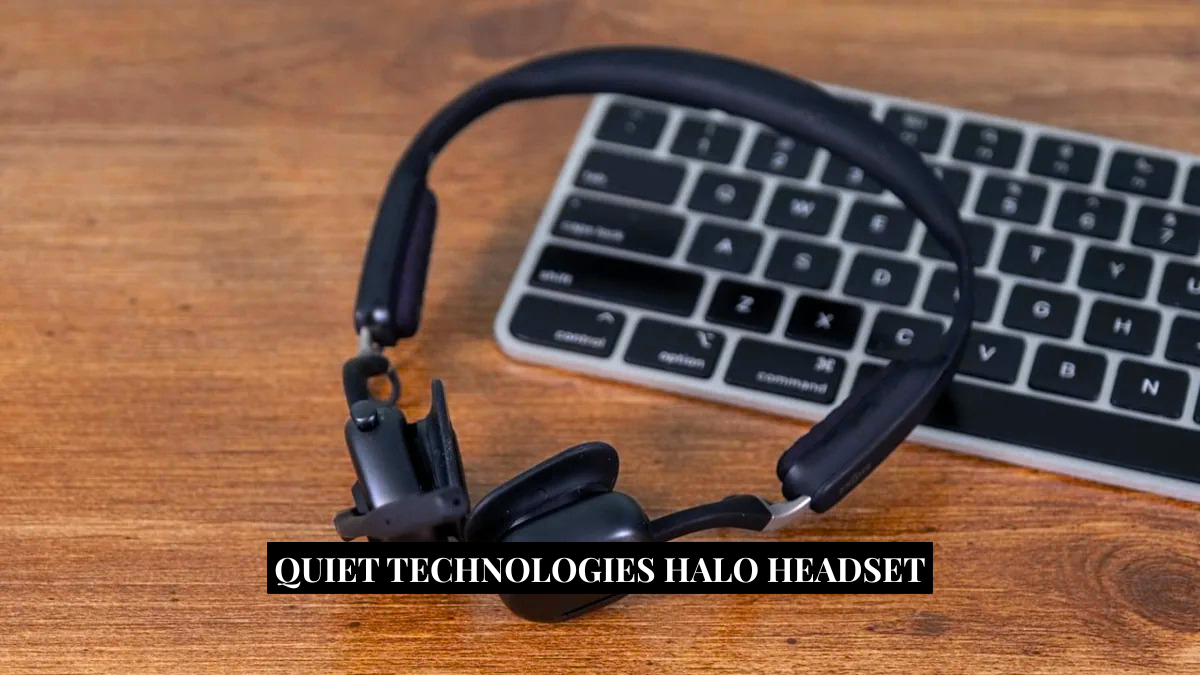
The Quiet Technologies HALO headset is one of those aviation tools that quietly changed how pilots experience communication inside the cockpit. Instead of following the traditional design of heavy over-ear aviation headsets, it introduces a much lighter and simpler approach. It is designed for pilots who spend long hours in the air and want something that reduces fatigue without compromising communication clarity.
In aviation, headsets are not just accessories; they are essential safety tools. Clear communication with air traffic control, reduced engine noise, and comfort during long flights all depend on the quality of the headset. The HALO headset has gained attention because it challenges the idea that aviation headsets must be bulky or expensive to be effective.
This article explores everything about the Quiet Technologies HALO headset in detail, including how it works, why pilots use it, its benefits, limitations, and what makes it different from traditional aviation headsets.
What is the Quiet Technologies HALO Headset
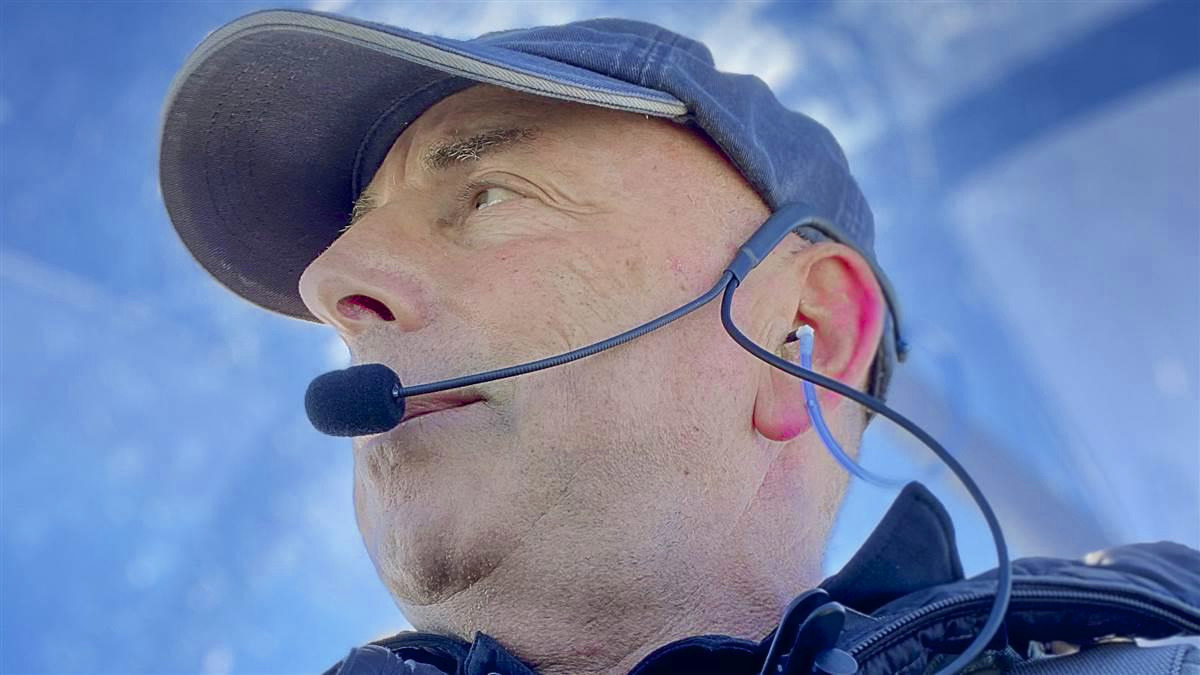
The Quiet Technologies HALO headset is an in-ear aviation communication system designed primarily for pilots operating small aircraft. Instead of covering the ears like traditional headsets, it uses foam earplugs combined with thin acoustic tubes to deliver sound directly into the ear canal.
This design removes the need for heavy ear cups and reduces the overall weight significantly. A lightweight headband holds the microphone and connects the sound system, while the earplugs handle noise isolation. The result is a headset that feels almost weightless compared to standard aviation models.
The idea behind this Quiet Technologies HALO headset is simple but effective. Rather than relying on electronic noise cancellation, it depends on physical sound blocking through ear seals. This makes it both energy-efficient and mechanically simple.
Design Philosophy and Build Approach
The design of the HALO headset reflects a very practical aviation mindset. It is not built to impress with luxury materials or advanced digital features. Instead, it is built to perform reliably in a cockpit environment where simplicity matters more than aesthetics.
The headset uses a flexible frame that rests lightly on the head. From this frame, thin acoustic tubes extend down to foam ear tips that are inserted into the ears. These ear tips function like high-grade earplugs, blocking external noise from engines and wind.
The microphone is attached to an adjustable boom arm that can be positioned close to the mouth for clear voice transmission. Everything about the design is minimal, and this minimalism is what allows it to remain extremely lightweight and comfortable even during long flights.
How the HALO Headset Works
The working principle of the HALO headset is based on passive noise isolation rather than electronic cancellation. Once the foam ear tips are inserted into the ear canal, they create a seal that blocks most external noise from entering the ear.
Sound from the aircraft radio is transmitted through small tubes connected to speakers in the headband. These tubes guide the sound directly into the sealed ear canal, ensuring clarity even in noisy environments.
At the same time, the microphone captures the pilot’s voice and transmits it to air traffic control. Because the system relies on physical sound isolation instead of electronic processing, it does not require complex circuitry or constant power supply in its basic form.
This simple design reduces the chances of technical failure and makes the headset very reliable in basic aviation environments.
Comfort and Long Flight Experience
One of the biggest reasons pilots choose the Quiet Technologies HALO headset is comfort. Traditional aviation headsets can feel heavy after a few hours, especially due to tight ear cups that press against the head. This pressure often leads to fatigue, headaches, or discomfort during long flights.
The HALO headset eliminates this issue by being extremely light. Since it does not rely on large ear cups, there is no head clamping force. Instead, the foam ear tips sit gently inside the ears, and the rest of the system is barely noticeable.
After a short adjustment period, many pilots report that they forget they are even wearing it. This is especially valuable during long training sessions or cross-country flights where comfort plays a major role in focus and performance.
However, comfort can be subjective. Some users initially find the in-ear design unusual, especially if they are used to traditional headsets. With proper fitting and experience, most pilots adapt quickly.
Noise Isolation Performance
Noise isolation is a critical factor in aviation headsets, and the HALO system handles it differently from premium active noise-canceling models. Instead of using electronics to cancel sound waves, it physically blocks sound using foam ear seals.
When properly inserted, these foam tips create a strong barrier against engine noise, wind noise, and cockpit vibration. This allows pilots to hear radio communications clearly even in relatively loud aircraft environments.
While it may not completely match the performance of high-end active noise-canceling systems in extreme noise conditions, it performs very well in general aviation aircraft. Its effectiveness depends heavily on correct ear placement and seal quality, which is why proper fitting is important.
Audio Clarity and Communication Quality
Clear communication is essential in aviation, especially when interacting with air traffic control. The HALO headset delivers sound directly into the ear canal through acoustic tubes, which helps maintain clarity even in noisy conditions.
Voice transmission through the microphone is generally clear and reliable when the boom is positioned correctly. The system does not heavily process audio, which some pilots appreciate because it reduces distortion and keeps communication natural.
In training environments and small aircraft operations, the audio performance is considered more than sufficient for safe communication. However, in extremely loud or high-performance aircraft, some pilots may prefer more advanced active noise-canceling systems.
Ease of Use and Practical Operation
One of the strengths of the HALO headset is its simplicity. There are no complicated controls, no heavy batteries in the basic version, and very little setup required.
Pilots simply insert the ear tips, adjust the microphone boom, and connect the headset to the aircraft communication system. This straightforward process makes it especially popular among student pilots who are still learning cockpit procedures.
Because of its simple design, there are fewer components that can fail during operation. This reliability is an important factor in aviation environments where equipment failure is not acceptable.
Who Typically Uses the HALO Headset
The HALO headset is widely used in general aviation rather than commercial airline operations. Private pilots, flight instructors, and aviation students are the primary users.
It is particularly popular in training environments where long hours of practice flights are common. In such cases, the lightweight design reduces fatigue and allows better focus during instruction.
Recreational pilots also appreciate it because it offers a balance between affordability and performance. It provides essential communication features without the high cost of premium aviation headsets.
Advantages of the HALO Headset
The most noticeable advantage of the HALO headset is its extremely lightweight design. Pilots often highlight how comfortable it feels compared to traditional aviation headsets.
Another major advantage is that it does not rely heavily on electronics, which reduces maintenance concerns and battery dependency. Its passive noise isolation also makes it reliable in situations where electronic systems might fail or require charging.
The cost factor is also important. Compared to high-end aviation headsets, the HALO system is generally more affordable, making it accessible to a wider range of pilots.
Limitations and Practical Considerations
Despite its benefits, the HALO headset is not perfect for every situation. The most important limitation is that it requires correct ear tip fitting. If the seal is not properly formed, noise isolation and audio clarity can be reduced.
Some users also prefer the feel of traditional over-ear headsets and may find the in-ear design uncomfortable at first. Additionally, in extremely loud cockpit environments, premium active noise-canceling headsets may offer better overall performance.
It is also worth noting that it may not always be the preferred choice for commercial aviation settings where standardized equipment is required.
Final Thoughts
The Quiet Technologies HALO headset represents a different approach to aviation communication. Instead of focusing on heavy electronics and complex systems, it focuses on simplicity, comfort, and practicality.
Its lightweight design, passive noise isolation system, and ease of use make it a strong option for general aviation pilots, especially those who spend long hours in training or recreational flying.
While it may not replace premium aviation headsets in every scenario, it offers a unique balance of comfort, performance, and affordability that has earned it a loyal following among pilots.
For anyone entering aviation or looking for a lighter alternative to traditional headsets, the HALO headset remains a practical and interesting option worth considering.
FAQs
Q: What is the Quiet Technologies Halo Headset?
A: The Quiet Technologies Halo Headset is a lightweight aviation headset for clear communication and noise reduction in flight.
Q: How does the Quiet Technologies Halo Headset reduce noise?
A: The Quiet Technologies Halo Headset uses in-ear seals and an external mic to block engine and wind noise.
Q: Is the Quiet Technologies Halo Headset comfortable for long flights?
A: Yes, the Quiet Technologies Halo Headset is designed to be very light and comfortable for long use.
Q: Does the Quiet Technologies Halo Headset need batteries?
A: No, the Quiet Technologies Halo Headset works without batteries for basic operation.
Q: Who uses the Quiet Technologies Halo Headset?
A: The Quiet Technologies Halo Headset is mainly used by pilots in training and small aircraft flying.