Introduction
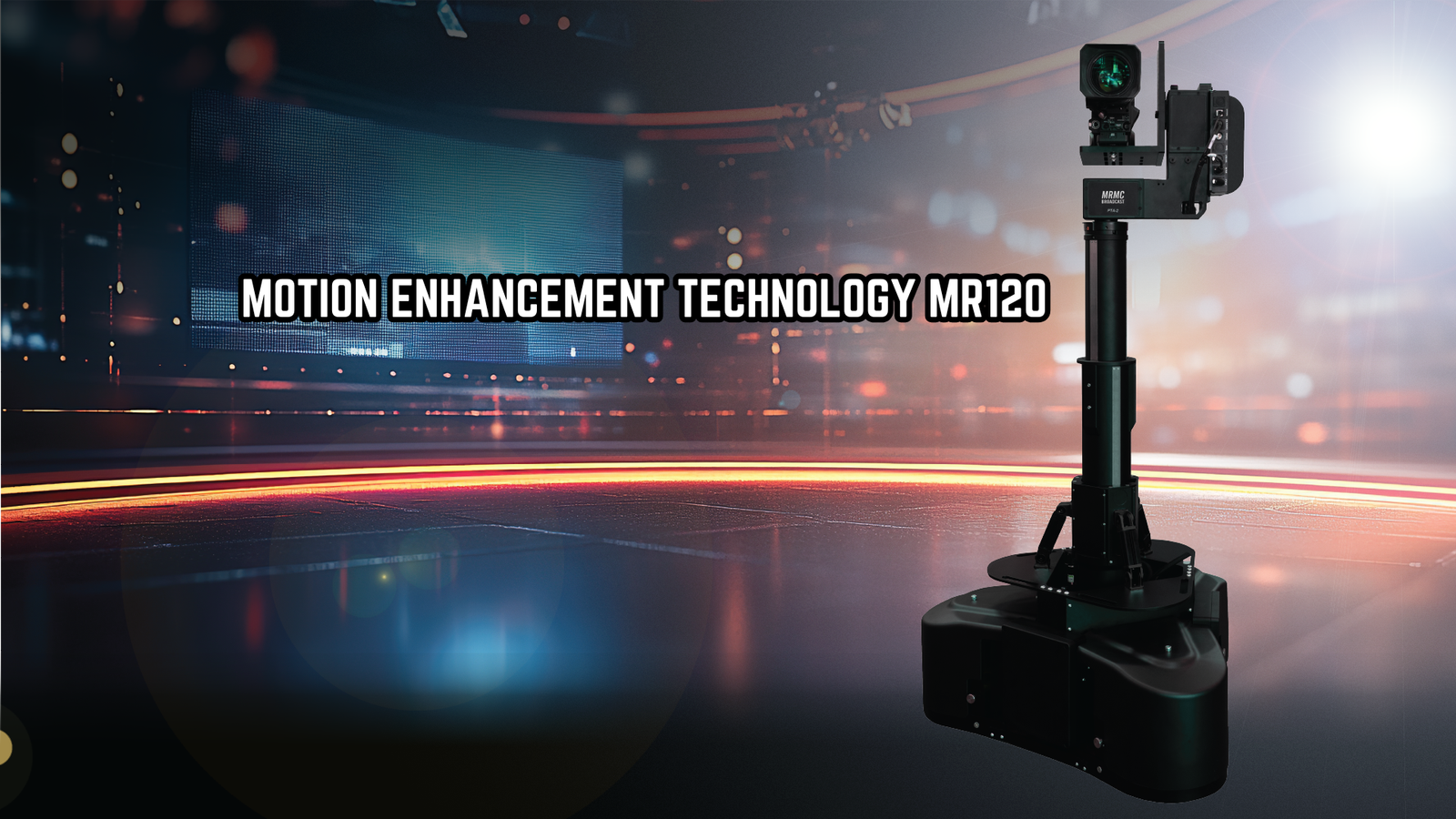
Modern televisions today come with many advanced-sounding features that often confuse buyers more than they help. One of the most commonly seen terms is Motion Enhancement Technology MR120, which is widely used in the marketing of budget and mid-range TVs. At first glance, it looks like a premium display innovation, but the reality is more technical and less straightforward.
Motion Enhancement Technology MR120 is not a single official technology created by a global standard organization. Instead, it is a marketing label used by manufacturers to describe a combination of motion-processing techniques. These techniques are designed to make fast-moving visuals appear smoother, especially in sports, movies, and gaming.
In simple terms, Motion Enhancement Technology MR120 focuses on improving motion perception rather than changing the actual hardware capabilities of a television. This is why many users misunderstand what it truly represents.
What MR120 Really Means
The term MR120, or Motion Rate 120, is often misunderstood as a true refresh rate. In reality, it usually refers to perceived motion performance rather than the actual number of frames a screen can physically display per second.
Many televisions that advertise MR120 actually use 60Hz panels but enhance motion through software processing. This means the label does not always reflect the real hardware capability of the display.
Because of this, Motion Enhancement Technology MR120 is better understood as a performance rating system rather than a strict technical specification.
How MR120 Works
The working mechanism behind MR120 is based on several image-processing techniques that operate in real time. One of the key methods is frame interpolation, where the television creates artificial frames between real frames. This makes motion appear smoother and reduces visible stuttering in fast scenes.
Another important technique is backlight scanning, where the LED backlight rapidly flashes instead of staying continuously on. This reduces motion blur and improves clarity during fast movement.
Along with these, motion smoothing algorithms continuously analyze scene movement and adjust processing dynamically. These combined methods are what define Motion Enhancement Technology MR120 in practical use.
| Field | Details |
|---|---|
| Name | Motion Enhancement Technology MR120 |
| Type | TV motion processing feature |
| Purpose | Improves motion smoothness in videos |
| Technology | Frame interpolation + motion smoothing |
| Real Meaning | Marketing term, not true 120Hz |
| Used In | LED/LCD Smart TVs |
| Key Benefit | Reduces motion blur in fast scenes |
| Limitation | Can create unnatural “soap opera effect” |
MR120 vs True 120Hz Displays
A true 120Hz display refreshes the screen 120 times per second using actual hardware capability. This results in naturally smooth motion, lower input lag, and better gaming performance.
In contrast, Motion Enhancement Technology MR120 often relies on software-based enhancement applied to lower refresh rate panels. While this improves visual smoothness, it does not match the performance of real 120Hz hardware.
This difference becomes especially noticeable in gaming and cinematic content, where artificial smoothness can sometimes make visuals look unnatural or overly processed.
Why MR120 Exists
The main reason Motion Enhancement Technology MR120 exists is marketing simplification. Most consumers are not familiar with technical display specifications like refresh rates or frame interpolation.
To make things easier, manufacturers use simplified motion rating labels. However, this also leads to confusion because buyers often assume MR120 equals true high refresh rate performance.Understanding this difference helps users make more informed decisions when buying a television.
Benefits of MR120
Despite its limitations, Motion Enhancement Technology MR120 still provides noticeable benefits in everyday viewing. Fast-moving content such as sports becomes easier to follow due to reduced motion blur and smoother transitions.
It also improves general viewing comfort by stabilizing fast camera movements and scrolling scenes. For casual users, this creates a more visually pleasing experience without requiring expensive hardware upgrades.
In many cases, Motion Enhancement Technology MR120 enhances older or lower frame-rate content, making it appear smoother than its original recording.
Limitations of MR120
While Motion Enhancement Technology MR120 improves motion smoothness, it is not without drawbacks. One of the most common issues is the unnatural “soap opera effect,” where movies lose their cinematic look and appear overly realistic.
Another limitation is input lag, which can affect gaming performance. Since the system processes additional frames, there may be a slight delay between user input and on-screen response.
Occasionally, motion prediction errors can also occur, leading to temporary visual artifacts or distorted movement during fast scenes.
Because of these issues, many users choose to disable motion enhancement when watching films or playing competitive games.
Best Usage Scenarios
Motion Enhancement Technology MR120 works best in everyday entertainment situations where smooth motion is preferred over cinematic accuracy. It is especially useful for sports broadcasts, news channels, and casual TV viewing.
It can also be helpful for non-competitive gaming, where slight delays do not significantly affect performance.
However, for movies, professional gaming, and cinematic content, many users prefer turning it off to preserve natural motion quality.
Should You Buy a TV with MR120?
When choosing a television, Motion Enhancement Technology MR120 should not be the primary deciding factor. Instead, it should be considered a secondary feature that enhances motion perception but does not define overall display quality.
A more important factor is the actual refresh rate of the panel. A true 120Hz display will always deliver better performance in terms of smoothness, responsiveness, and clarity.
Other important considerations include panel type, response time, and HDMI support, especially for gaming consoles and high-quality video content.
Final Thoughts
In conclusion, Motion Enhancement Technology MR120 is best understood as a motion improvement system rather than a real hardware specification. It enhances visual smoothness through software techniques but does not replace the benefits of a true high-refresh-rate display.
For casual viewers, it can significantly improve everyday watching experience by making motion look smoother and more fluid. However, for gamers and movie enthusiasts, understanding its limitations is essential to avoid confusion.
Ultimately, Motion Enhancement Technology MR120 sits between marketing and real technology. Knowing how it works helps buyers make smarter decisions and choose a television that truly fits their needs.
FAQs
Q: What is Motion Enhancement Technology MR120?
A: It is a TV feature that uses software to make fast motion look smoother, not a real 120Hz hardware refresh rate.
Q: Is MR120 the same as 120Hz?
A: No, MR120 is usually a marketing label, while 120Hz refers to actual display hardware speed.
Q: How does MR120 improve video quality?
A: It adds artificial frames and reduces motion blur to make movement look more fluid.
Q: Does MR120 help in gaming?
A: It can improve visuals, but it may also add slight input lag in some cases.
Q: Should I always keep MR120 turned on?
A: Not always, many users turn it off for movies to avoid unnatural “soap opera” effects.