Introduction
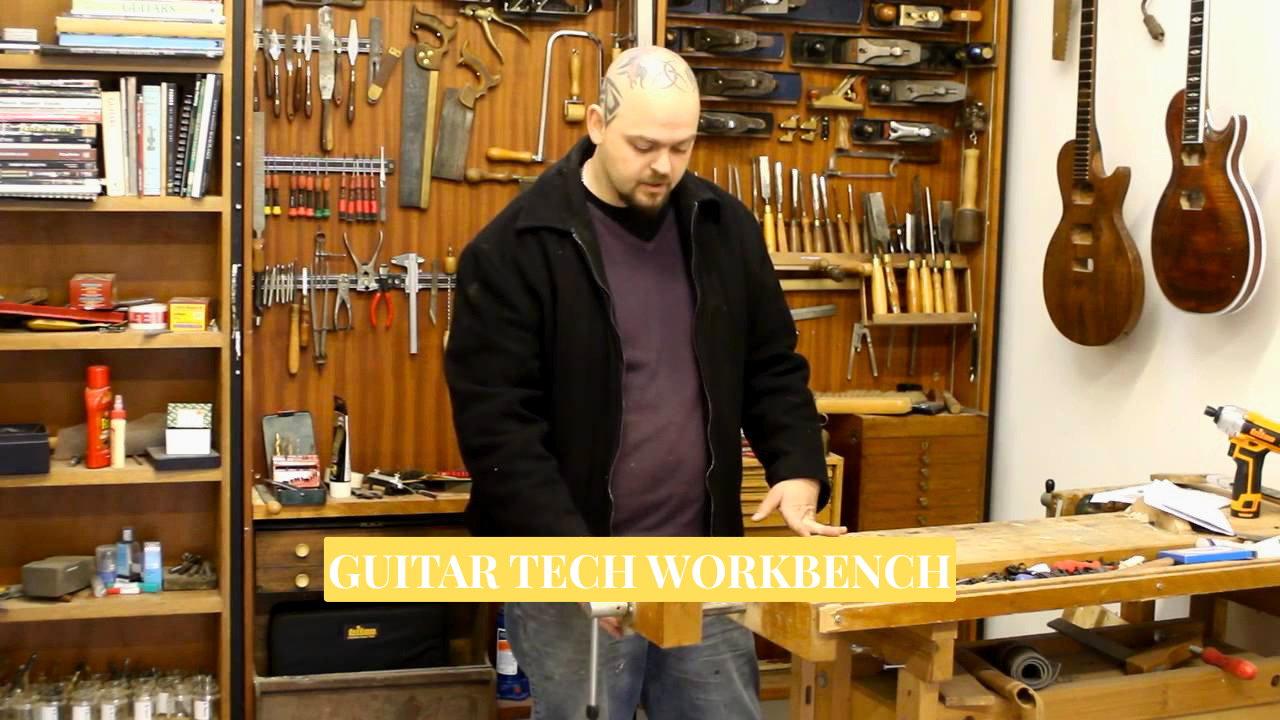
A guitar tech workbench is one of the most important pieces of equipment for anyone involved in guitar maintenance, repair, setup, or construction. While many musicians focus on guitars, amplifiers, and effects pedals, the workspace where repairs and adjustments take place is often overlooked. In reality, a well-designed workbench can make the difference between a smooth repair process and a frustrating experience. Whether you are a professional guitar technician, a luthier, a repair shop owner, or simply a passionate guitar enthusiast, having a dedicated workspace allows you to work more accurately, safely, and efficiently.
The modern guitar tech workbench is specifically designed to support the unique requirements of guitar maintenance. Unlike a regular table, it provides a stable and protective environment where delicate instruments can be handled without risk of scratches, dents, or structural damage. From simple string changes to advanced fretwork and electronic repairs, nearly every task benefits from the organization and support that a dedicated workbench provides.
Understanding a Guitar Tech Workbench
At its core, a guitar tech workbench is a specialized workstation created for working on guitars and basses. It serves as the central location where technicians perform inspections, adjustments, repairs, modifications, and maintenance procedures. The workbench is designed to hold the instrument securely while providing convenient access to tools and equipment.
Professional technicians often spend several hours each day working on instruments. Because of this, comfort and efficiency are important considerations when designing a workbench. A properly arranged workspace allows technicians to move seamlessly between different tasks without wasting time searching for tools or repositioning instruments. This level of organization not only improves productivity but also contributes to higher-quality results.
Why a Dedicated Workspace Matters
Many guitar owners attempt repairs on dining tables, office desks, or other household surfaces. Although this may seem convenient, these locations are rarely suitable for detailed instrument work. Ordinary tables lack protective surfaces and proper support systems, increasing the risk of accidental damage.
A dedicated guitar tech workbench solves these problems by creating a controlled environment specifically designed for instrument care. The guitar remains secure during adjustments, while tools stay organized and within easy reach. This reduces distractions and allows the technician to focus entirely on the work being performed.
A stable work surface is especially important when making precise adjustments. Small changes to neck relief, string height, or intonation require accuracy and consistency. A secure workbench provides the foundation needed to achieve professional-level results.
The Evolution of Guitar Workbenches
The concept of specialized instrument workbenches has existed for centuries. Traditional luthiers who built violins and other stringed instruments developed custom workstations tailored to their craft. These benches were often handmade and designed to accommodate carving, shaping, assembly, and repair work.
As guitars became more popular throughout the twentieth century, the demands placed on repair technicians increased significantly. Electric guitars introduced new challenges involving electronics, pickups, wiring systems, and hardware components. As a result, workbench designs evolved to support a wider range of maintenance and repair tasks.
Today’s guitar tech workbenches combine traditional woodworking principles with modern repair requirements. They often include specialized accessories such as neck supports, lighting systems, storage compartments, and power outlets, making them highly versatile workstations.
Essential Features of a Guitar Tech Workbench
One of the defining characteristics of a quality guitar tech workbench is stability. Any movement or vibration during repair work can interfere with accuracy and potentially damage the instrument. For this reason, professional workbenches are typically constructed from durable materials such as hardwood, plywood, or steel.
Another important feature is surface protection. Guitars often have delicate finishes that can be scratched by rough materials. To prevent damage, many workbenches incorporate padded surfaces, rubber mats, or felt coverings. These materials provide a soft contact area that protects the instrument while still maintaining stability.
Neck support systems are equally important. The neck of a guitar is particularly vulnerable during maintenance procedures. Adjustable neck cradles help distribute weight evenly and keep the instrument balanced throughout the repair process. This simple addition significantly improves both safety and comfort.
Good lighting is another essential element. Guitar repair frequently involves detailed work on small components. Proper illumination makes it easier to inspect frets, wiring, hardware, and finish imperfections. Many technicians install adjustable LED lighting systems above their workbenches to improve visibility and reduce eye strain.
Here’s a clean bio-style table format related to a Guitar Tech Workbench that you can use in your blog or article:
| Category | Details |
|---|---|
| Name | Guitar Tech Workbench |
| Type | Professional Repair & Setup Station |
| Purpose | Guitar maintenance, repair, and customization |
| Users | Guitar technicians, luthiers, musicians, repair shops |
| Main Features | Stable surface, neck support, tool storage, lighting |
| Key Functions | String changing, fretwork, setup, electronics repair |
| Skill Level | Beginner to Professional |
| Mobility | Fixed or portable models available |
| Materials Used | Wood, steel frame, rubber/felt padding |
| Benefits | Accuracy, safety, efficiency, instrument protection |
Common Tasks Performed at a Guitar Tech Workbench
A guitar tech workbench serves as the primary location for a wide variety of maintenance and repair procedures. One of the most common tasks is restringing. While replacing strings may appear straightforward, a dedicated workspace allows the process to be completed more efficiently and safely.
Setup work is another major function. Guitar technicians regularly adjust truss rods, bridge height, pickup positions, and intonation settings to improve playability. These adjustments require careful measurements and precise movements, making a stable workbench invaluable.
Fret maintenance is also frequently performed at the workbench. Over time, frets can develop wear patterns that affect playability. Technicians use specialized tools to level, crown, and polish frets, restoring smooth performance across the fretboard.
Electronic repairs represent another important category of work. Whether replacing pickups, repairing wiring issues, or installing new components, technicians need a clean and organized environment where delicate electronic parts can be handled safely.
Benefits of a Professional Guitar Tech Workbench
The benefits of a dedicated guitar tech workbench extend beyond convenience. One of the most significant advantages is improved instrument protection. Soft surfaces and proper support systems help prevent accidental damage during maintenance procedures.
Efficiency is another major benefit. Organized storage solutions keep tools readily accessible, reducing downtime and improving workflow. When everything has a designated place, technicians can focus on the repair itself rather than searching for equipment.
Accuracy also improves dramatically when using a dedicated workstation. Stable working conditions make it easier to perform precise measurements and adjustments. This is particularly important when working on high-end instruments where even minor errors can affect performance.
Comfort should not be overlooked. Long repair sessions can place strain on the back, neck, and shoulders. A properly designed workbench allows technicians to maintain a comfortable posture throughout the day, reducing fatigue and increasing productivity.
Building Your Own Guitar Tech Workbench
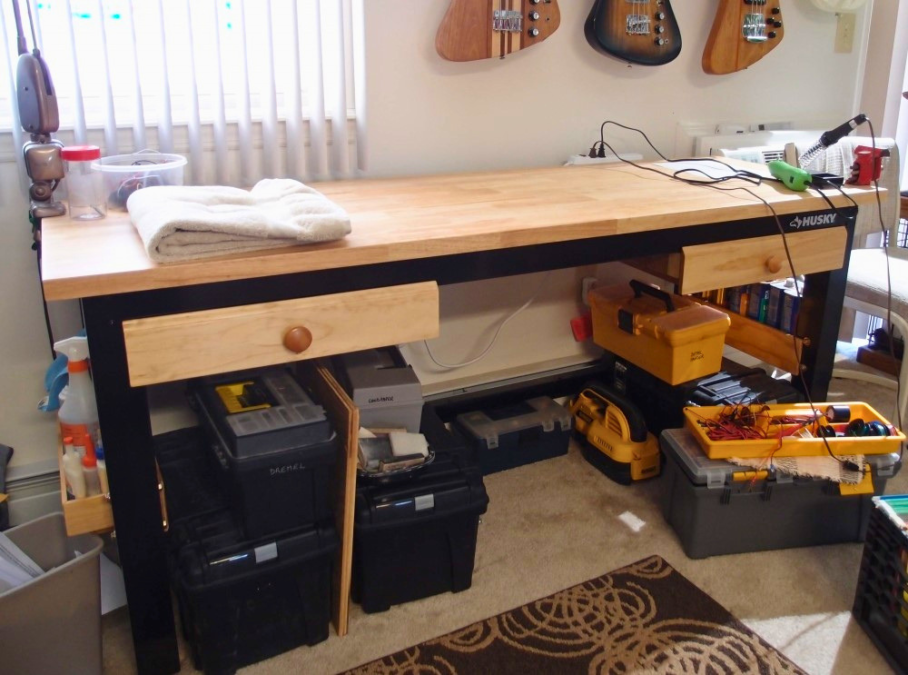
Many guitar enthusiasts choose to build custom workbenches rather than purchasing commercial models. A custom-built workbench allows complete control over dimensions, storage options, and workspace layout.
When designing a workbench, it is important to consider future needs as well as current requirements. Additional storage compartments, integrated lighting, and electrical outlets can greatly enhance functionality over time. Investing effort into thoughtful design often results in a workstation that remains useful for many years.
Building a custom workbench can also be a rewarding project. It provides an opportunity to create a workspace tailored specifically to personal preferences and workflow habits.
Conclusion
A guitar tech workbench is far more than a simple piece of furniture. It is the foundation of effective guitar maintenance, repair, and setup work. By providing stability, protection, organization, and comfort, a dedicated workbench helps technicians achieve professional results while safeguarding valuable instruments.
Whether used in a professional repair shop, a custom luthier workshop, or a home garage, a well-designed guitar tech workbench enhances every aspect of instrument care. For anyone serious about maintaining guitars properly, investing in a quality workspace is one of the smartest decisions they can make.
FAQs guitar tech workbench
Q: What is a guitar tech workbench?
A: It is a dedicated workspace used for guitar repair, setup, and maintenance.
Q: Why is a guitar tech workbench important?
A: It provides stability, safety, and organization for precise guitar work.
Q: Can beginners use a guitar tech workbench?
A: Yes, beginners can use it for learning basic guitar maintenance safely.
Q: What tools are used on a guitar tech workbench?
A: Common tools include screwdrivers, fret files, rulers, soldering kits, and tuners.
Q: Is a guitar tech workbench portable?
A: Some models are portable, designed for travel and live stage repairs.