Introduction
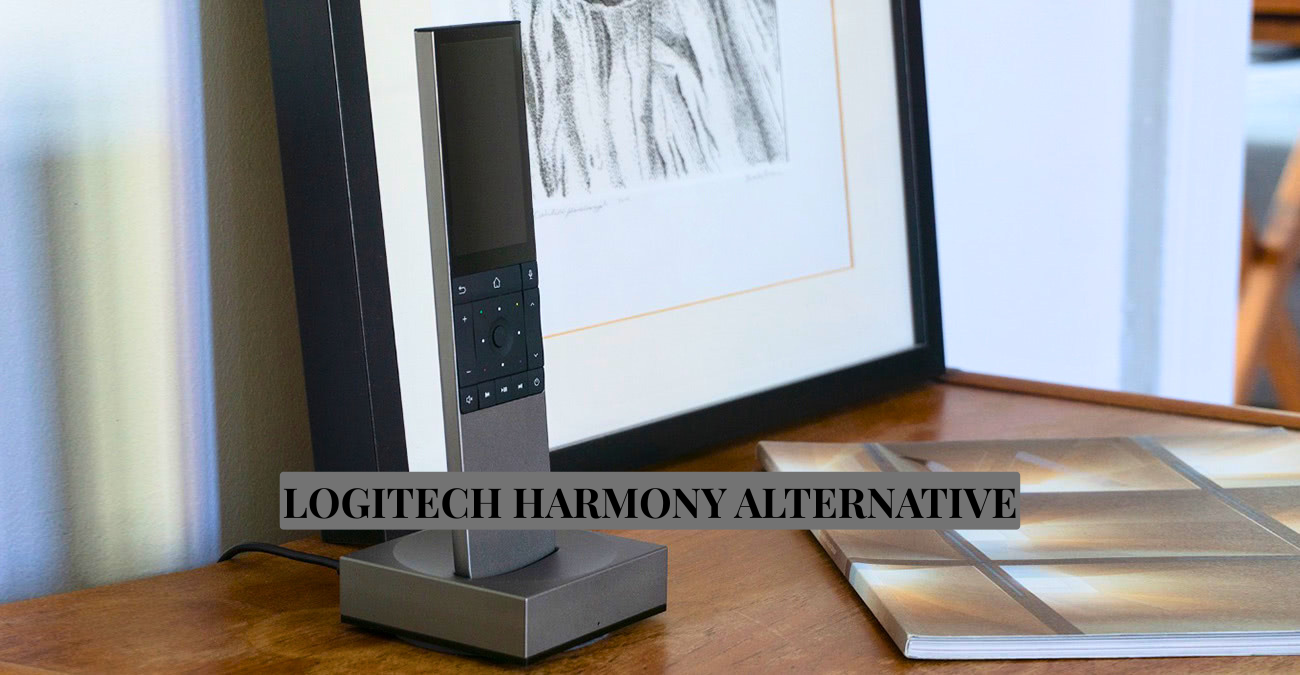
The concept of a Logitech Harmony alternative has become increasingly important since Logitech discontinued its Harmony lineup. For many years, Harmony systems were considered the gold standard for controlling multiple home entertainment devices through a single remote or hub. They simplified complex setups involving televisions, sound systems, streaming boxes, and smart home devices. With one button press, users could activate entire “activities” such as watching a movie or playing music.
Today, when people search for a Logitech Harmony alternative, they are usually looking for the same convenience and simplicity that Harmony once provided. However, the modern market no longer has one single replacement. Instead, several different technologies now share the role, each offering a different approach to home control. Some rely on physical remotes, others depend on smartphone apps, and some integrate deeply with smart home ecosystems.
What Was Logitech Harmony?
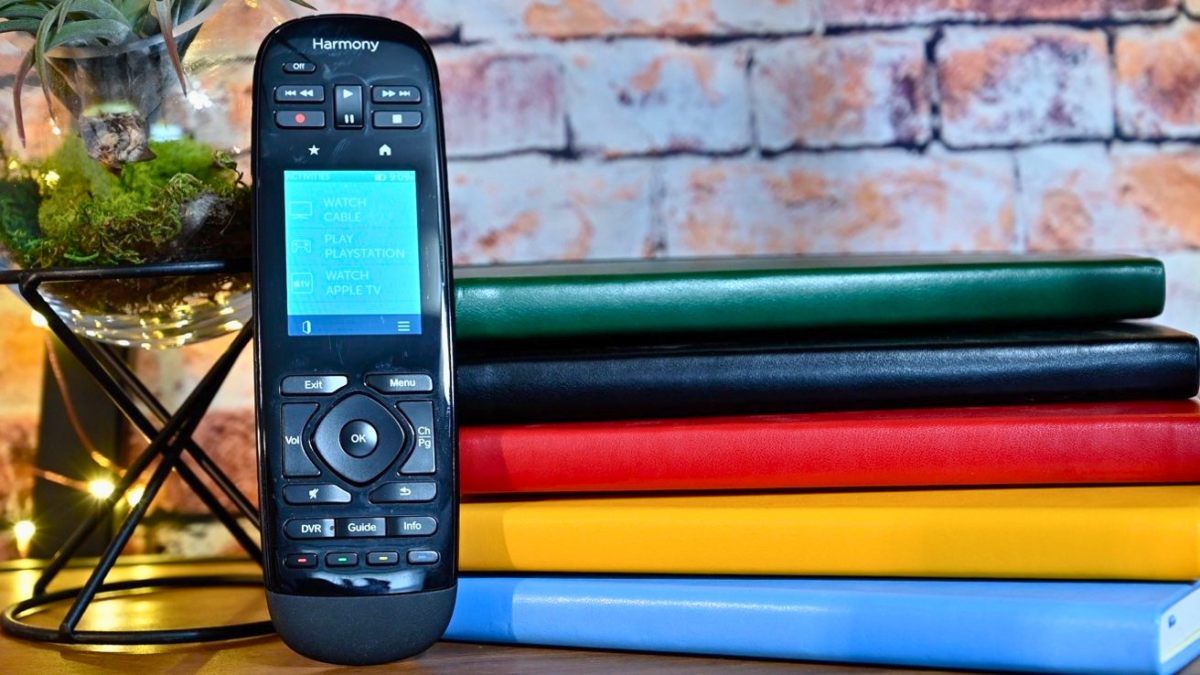
The Logitech Harmony system was a universal remote solution designed to control multiple devices from a single interface. At its core, it replaced the need for several remotes by combining everything into one system. Devices such as the Logitech Harmony Hub acted as the central controller, communicating with TVs, receivers, and streaming devices through infrared, Bluetooth, or Wi-Fi.
One of its most appreciated features was the “activity-based” system. Instead of controlling devices individually, users could select an activity like “Watch TV” or “Watch Movie,” and the system would automatically turn on the correct devices and set them to the right inputs. This made home entertainment significantly easier, especially for users with complex setups.
Even though Logitech discontinued Harmony in 2021, the system remains popular among users who still rely on it, largely because no modern replacement fully replicates its simplicity and reliability.
Why Logitech Harmony Alternatives Are Needed
The need for a Logitech Harmony alternative has grown rather than disappeared. Modern homes now include more connected devices than ever before. Smart TVs, streaming devices, wireless sound systems, gaming consoles, and smart lighting systems have created a complex environment that is difficult to manage with separate remotes or apps.
Many users find themselves switching between multiple controllers or smartphone applications, which reduces convenience. Harmony solved this problem by centralizing control, and its absence has left a noticeable gap. Users are now looking for systems that can restore that unified experience without excessive complexity or cost.
Smart Universal Remotes
One of the closest replacements for Logitech Harmony is the category of smart universal remotes. These devices aim to replicate the traditional remote experience while adding modern connectivity features.
A leading example is the brand Sofabaton, which produces remotes like the X1S and U2. These devices support a wide range of entertainment equipment and offer both infrared and Bluetooth control. They also include app-based setup and activity-style automation, allowing users to control multiple devices with a single command.
Smart universal remotes are appealing because they maintain the physical remote experience that many users prefer. However, they are not always as refined as Harmony was, and setup can sometimes require more manual configuration. Despite this, they remain one of the most direct replacements available today.
| Field | Details |
|---|---|
| Name | Logitech Harmony Alternative |
| Type | Universal remote / smart home control solutions |
| Purpose | Controls multiple devices (TV, sound system, streaming boxes) from one system |
| Why needed | Logitech Harmony was discontinued in 2021 |
| Popular options | Sofabaton, Broadlink, Apple TV, Fire TV Cube |
| Best use | Home entertainment automation and device control |
| Control methods | Remote, mobile apps, voice assistants |
Smart Hub Controllers
Another major category of Logitech Harmony alternatives is smart hub systems. These devices eliminate the need for a physical remote and instead rely on smartphone apps or voice assistants.
One of the most widely used options in this category is BroadLink, particularly devices like the RM4 Pro. These hubs can control IR-based devices, Wi-Fi appliances, and even some RF-controlled systems. Once configured, users can operate everything from their smartphone or through voice assistants like Alexa and Google Assistant.
Smart hubs are flexible and affordable, making them popular among users who want automation without investing in expensive hardware. However, they depend heavily on apps, which can feel less convenient compared to a physical remote in everyday use.
Streaming Device Ecosystems
For many users, modern streaming devices have reduced the need for universal remotes altogether. Devices like Amazon Fire TV Cube and Apple TV 4K come with remotes that can control both the streaming interface and basic TV functions through HDMI-CEC technology.
These systems are designed for simplicity. A single remote can power on the TV, adjust volume, and navigate streaming apps. Voice control is also deeply integrated, allowing users to search for content or control playback without physical input.
However, these ecosystems are primarily designed for streaming-focused setups. They are not ideal for users with complex home theater systems involving multiple receivers, legacy devices, or advanced audio configurations.
High-End Smart Home Systems
At the premium end of the market are professional smart home systems such as those developed by Control4 and Crestron. These systems go far beyond entertainment control and manage entire smart homes.
They can control lighting, climate, security, multi-room audio, and home theater systems from a unified interface. In many cases, users can trigger entire scenes such as “Movie Night,” which dims the lights, lowers blinds, turns on the projector, and starts playback automatically.
While these systems offer the most complete alternative to Logitech Harmony, they are expensive and typically require professional installation, making them suitable mainly for high-end residential or commercial environments.
Comparison of Alternatives
Each Logitech Harmony alternative offers a different balance of features and usability. Smart universal remotes focus on physical control and familiar usage. Smart hubs focus on automation and mobile control. Streaming ecosystems prioritize simplicity and entertainment access. Professional systems offer complete smart home integration but at a much higher cost.
There is no single replacement that perfectly replicates Harmony’s original experience. Instead, users must choose based on their priorities, whether that is convenience, budget, or system complexity.
Benefits of Modern Alternatives
Modern Logitech Harmony alternatives come with several improvements compared to older systems. Many now support voice assistants, mobile apps, and cloud-based automation. Integration with platforms like Alexa and Google Assistant allows users to control devices without touching a remote or phone.
Another advantage is affordability. Many modern solutions are cheaper than traditional Harmony setups, making basic automation more accessible. Additionally, wireless connectivity has improved, allowing better integration between devices without relying solely on infrared signals.
Limitations Compared to Harmony
Despite improvements, modern alternatives still face limitations. Many systems require multiple apps or accounts, which can create fragmentation. Setup processes are often less intuitive than Harmony’s guided system, and device compatibility can vary between brands.
One of Harmony’s strongest advantages was its simplicity after setup. Once configured, it worked consistently and reliably. Many modern systems still struggle to match that level of seamless experience.
Future of Universal Remote Systems
The future of universal remote systems is moving away from dedicated hardware and toward software-based control. Voice assistants, AI automation, and integrated smart home ecosystems are becoming the primary way users interact with devices.
Instead of relying on a single remote, future systems will likely focus on unified platforms that operate across multiple devices and environments. Physical remotes will still exist, but they may play a secondary role compared to voice and automation-driven control systems.
Conclusion
The search for a Logitech Harmony alternative reflects a real and ongoing need in modern homes. While Logitech Harmony itself is no longer available, its influence continues to shape how people think about home entertainment control.
Today’s alternatives offer a variety of solutions, from smart universal remotes like Sofabaton, to hub systems like Broadlink, to streaming ecosystems like Apple TV and Amazon Fire TV, and even high-end smart home platforms like Control4 and Crestron. Each option has strengths and weaknesses, but none fully replicate Harmony’s original balance of simplicity and power.
Ultimately, the best Logitech Harmony alternative depends on individual needs. Whether the goal is simplicity, automation, or full smart home integration, there is now a range of modern solutions that can recreate much of what Harmony once offered—just in a more fragmented but flexible form.
FAQs logitech harmony alternative
Q: What is a Logitech Harmony alternative?
A: It is any device or system that can replace Logitech Harmony by controlling multiple home devices like TV, sound system, and streaming boxes from one remote or app.
Q: Why did people switch from Logitech Harmony?
A: Because Logitech stopped producing Harmony remotes in 2021, so users now need other options for universal control.
Q: What is the best Logitech Harmony alternative?
A: Sofabaton remotes are often considered the closest replacement because they support multiple devices and activity-based control.
Q: Can smart hubs replace Harmony remotes?
A: Yes, devices like Broadlink hubs can control many appliances using apps and voice assistants instead of a physical remote.
Q: Do streaming devices fully replace universal remotes?
A: Not completely, but devices like Apple TV and Fire TV can control basic TV functions and reduce the need for extra remotes.