Introduction
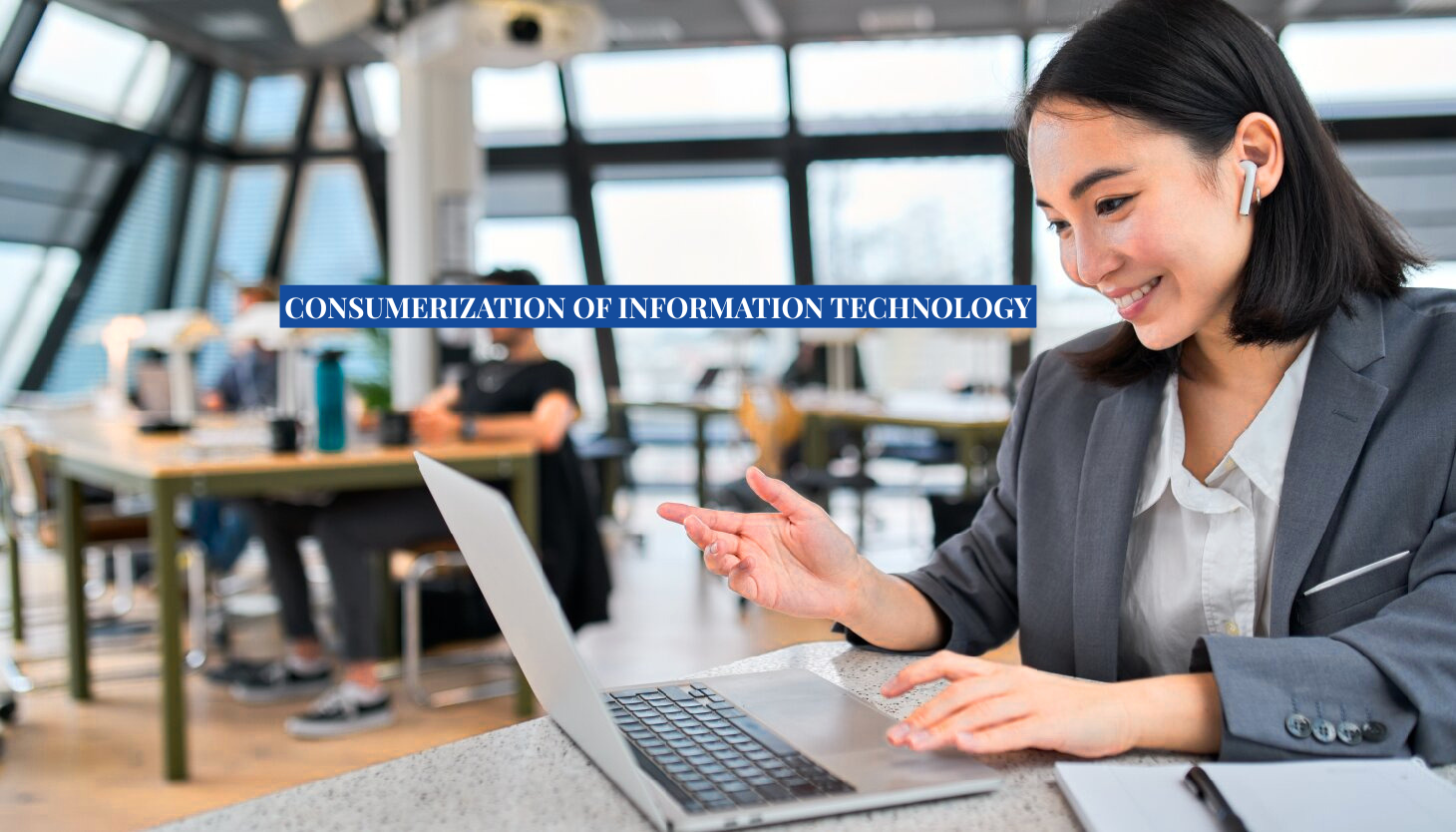
The modern workplace is shaped by a powerful shift known as consumerization of information technology. This change describes how everyday digital tools used in personal life—like smartphones, apps, and cloud services—are now influencing the way organizations build and use workplace systems. Instead of employees adjusting to rigid corporate software, companies are increasingly adapting to tools that feel familiar, simple, and mobile-friendly.
Over the past decade, this transformation has accelerated due to rapid smartphone adoption, widespread internet access, and the rise of cloud-based platforms. Employees no longer see a strict line between personal and professional technology. The same devices and applications used for communication, shopping, or entertainment are now being used for managing projects, meetings, and business operations.
This shift has created a new expectation: workplace technology should be as easy as a mobile app.
Meaning of the Concept
The term consumerization of information technology refers to the process where consumer-driven technologies influence enterprise IT systems. In simple terms, it means that employees bring their everyday digital experiences into the workplace and expect similar ease of use in business tools.
Instead of complex enterprise systems that require heavy training, workers now prefer intuitive platforms such as mobile apps, collaborative cloud tools, and real-time communication software. These tools are designed with user experience as a priority, rather than technical complexity.
This shift has also changed how IT departments think about software selection. Rather than forcing employees to adapt to systems, organizations now look for solutions that match employee expectations and improve productivity naturally.
Evolution of Workplace Technology
To understand this transformation, it is important to look at how workplace technology has evolved over time.
In the early stage of computing, companies relied on centralized systems where all operations were controlled through internal servers. Employees used basic desktop interfaces, and flexibility was extremely limited. Software was designed mainly for functionality, not usability.
Later, enterprise applications such as ERP systems and email platforms became standard. These tools improved business efficiency but were still difficult to learn and often required specialized training.
The most recent stage is defined by cloud computing, mobility, and user-centered design. This is where consumerization of information technology plays a central role. Employees now expect software to be fast, mobile, and similar to consumer apps they already use in daily life. This expectation has forced companies to redesign their entire IT structure around simplicity and accessibility.
Drivers Behind the Change
Several strong forces have driven the rise of this digital transformation.
The first is technological advancement. Smartphones, high-speed internet, and powerful mobile applications have made advanced computing accessible to almost everyone.
The second driver is user behavior. People are already comfortable with simple apps in their personal lives, such as messaging platforms, social media, and cloud storage. Naturally, they expect the same experience at work.
The third driver is cost efficiency. Companies can reduce expenses by using cloud-based services instead of maintaining expensive internal infrastructure.
The fourth driver is remote work culture. Global collaboration requires tools that work seamlessly across locations and devices. As a result, businesses are moving toward flexible, cloud-connected systems that support real-time communication.
All these factors together have strengthened the role of consumerization of information technology in shaping modern workplaces.
Benefits for Organizations
One of the biggest advantages of this transformation is improved productivity. When employees use familiar tools, they spend less time learning systems and more time completing tasks. The learning curve becomes much shorter, and work processes become smoother.
Another important benefit is flexibility. Employees can work from anywhere using mobile devices or cloud platforms. This has enabled hybrid work models, where people can split their time between office and remote locations.
Cost savings are also significant. Companies no longer need to invest heavily in hardware or complex software installations. Cloud-based subscriptions and shared digital platforms reduce overall operational costs.
Collaboration has also improved. Teams can now communicate in real time using messaging apps, video calls, and shared documents. This creates faster decision-making and better coordination across departments.
Overall, the consumerization of information technology has made business operations more dynamic and responsive to change.
Challenges and Risks
Despite its advantages, this transformation brings several challenges that organizations must manage carefully.
One major concern is data security. When employees use personal devices for work, sensitive business data can become exposed to risks such as hacking, data leaks, or unauthorized access.
Another issue is privacy. Personal and professional data often exist on the same device, which can create confusion and potential data misuse.
IT departments also face reduced control. Managing different devices, applications, and user environments becomes more complex when employees choose their own tools.
Compatibility is another challenge. Not all consumer applications are designed to integrate with enterprise systems, which can lead to workflow disruptions.
These challenges highlight the importance of balancing flexibility with control in the era of consumerization of information technology.
Security and Management Approaches
To manage these risks, organizations use several strategies. One common approach is Mobile Device Management (MDM), which allows IT teams to monitor and control devices used for work purposes. This ensures that security policies are followed consistently.
Encryption is another important method. It protects data by converting it into secure formats that cannot be easily accessed by unauthorized users.
Multi-factor authentication adds another layer of protection by requiring users to verify their identity in multiple ways before accessing systems.
Some companies also use containerization techniques, which separate personal and work environments on the same device. This ensures that sensitive business data remains isolated and protected.
These strategies help companies maintain control while still benefiting from modern digital flexibility.
Impact on Modern IT Systems
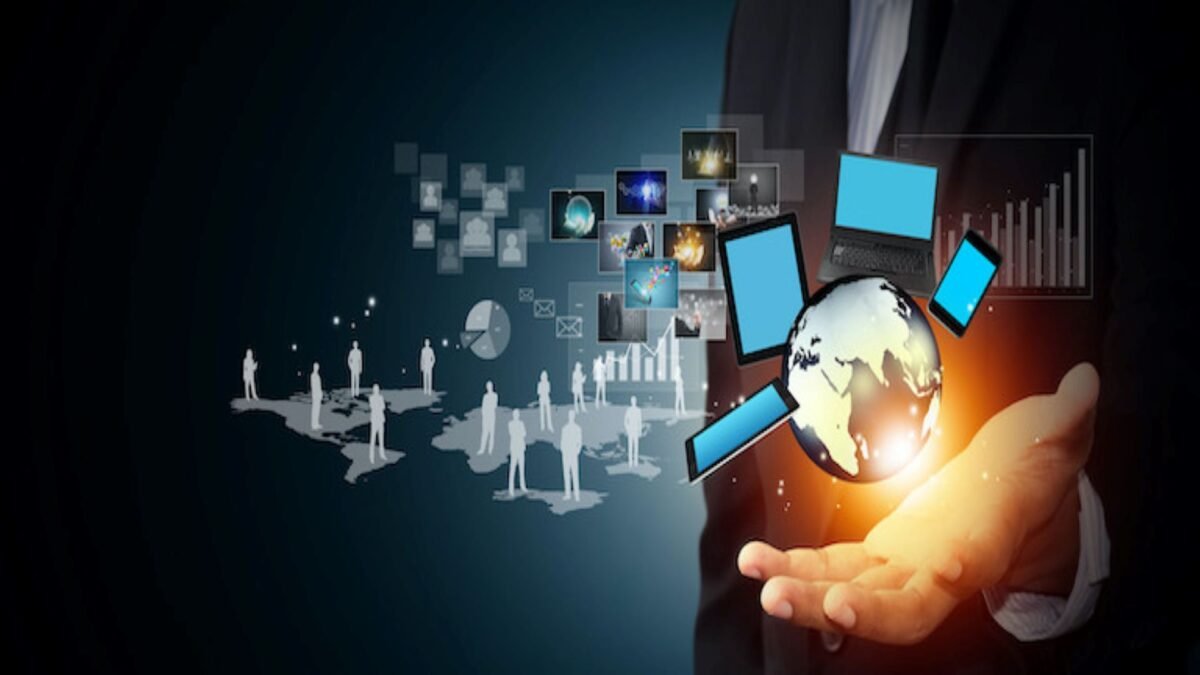
The influence of this transformation is clearly visible in enterprise IT design today. Modern systems are built with simplicity and user experience in mind. Instead of complex internal applications, companies now rely on Software-as-a-Service (SaaS) platforms that are easy to deploy and update.
Cloud integration has become a standard requirement. Businesses expect tools to work together smoothly, allowing data to flow between different applications without friction.
This shift has also encouraged innovation in app design. Developers now focus on creating interfaces that feel intuitive and mobile-friendly, similar to consumer applications. This evolution is directly linked to the rise of consumerization of information technology across industries.
Real-World Applications
Many widely used tools reflect this transformation in action.
Communication platforms like Slack and Microsoft Teams have replaced traditional internal messaging systems. They offer real-time chat, file sharing, and video conferencing in a single interface.
Cloud storage services such as Google Drive and OneDrive have replaced physical storage devices and local servers, allowing users to access files from anywhere.
Video conferencing tools like Zoom have become essential for remote meetings, training sessions, and global collaboration.
Even email systems like Gmail have evolved into integrated productivity platforms rather than simple communication tools.
These examples show how deeply embedded this transformation has become in everyday work environments.
Future Outlook
The future of workplace technology will continue to evolve under the influence of artificial intelligence, automation, and deeper cloud integration. Smart assistants will help employees manage schedules, automate repetitive tasks, and improve decision-making.
Work environments will become more connected, with seamless transitions between personal and professional digital spaces. The distinction between consumer and enterprise tools will continue to blur.
At the same time, cybersecurity will become even more important as organizations depend more on connected systems. Companies will invest heavily in protecting data while maintaining user-friendly experiences.
The ongoing development of consumerization of information technology suggests that the future workplace will be more flexible, intelligent, and user-centered than ever before.
Conclusion
The shift toward modern digital workplaces is one of the most significant changes in business history. The consumerization of information technology has reshaped how organizations operate, how employees work, and how software is designed.
It has improved productivity, reduced costs, and enabled global collaboration. At the same time, it has introduced challenges related to security, privacy, and system control.
As technology continues to advance, this trend will only grow stronger, creating workplaces that are more connected, more intuitive, and more aligned with everyday digital life.
FAQs
Q: What is consumerization of information technology?
A: Consumerization of information technology is the trend where consumer devices and apps influence workplace IT systems to make them more simple and user-friendly.
Q: Why is consumerization of information technology important?
A: Consumerization of information technology improves productivity by allowing employees to use familiar tools like mobile apps and cloud services at work.
Q: What is BYOD in consumerization of information technology?
A: In consumerization of information technology, BYOD means employees use their personal devices for work tasks instead of company-owned devices.
Q: What are the benefits of consumerization of information technology?
A: Consumerization of information technology offers flexibility, cost savings, better collaboration, and faster communication in organizations.
Q: What is the biggest challenge of consumerization of information technology?
A: The main challenge of consumerization of information technology is protecting company data when employees use personal devices.
Q: How does consumerization of information technology affect workplaces?
A: Consumerization of information technology makes workplaces more digital, mobile, and dependent on cloud-based tools for daily operations.