Introduction
The early 2010s were a turning point in mobile technology, when touchscreen smartphones were beginning to take over but physical keyboard phones were still widely loved. Among those devices, the pantech pursuit ii stood out as a compact, messaging-focused phone designed for users who valued typing comfort over apps and advanced features. It was not meant to compete with modern smartphones but to deliver a simple, reliable communication experience.
The pantech pursuit ii represents a period when phones were transitioning from basic feature devices into smarter tools, yet still kept physical interaction at their core. Its slide-out QWERTY keyboard and small touchscreen made it especially appealing for heavy texters.
History and Release
The pantech pursuit ii was released around 2011 by Pantech, a South Korean manufacturer known for producing affordable and practical mobile devices. It was primarily launched for AT&T users in the United States and targeted people who wanted a messaging-friendly phone without the complexity of full smartphones.
During its release period, smartphones like the iPhone and early Android devices were gaining popularity, but many users still preferred traditional designs. The pantech pursuit ii filled that gap by offering a hybrid experience—touchscreen navigation combined with a physical keyboard for easier texting.
Unlike flagship smartphones of its time, it focused on functionality rather than advanced computing power or app ecosystems.
Design and Build
The physical design of the pantech pursuit ii reflects the practical thinking of its era. It features a compact rectangular body with a smooth sliding mechanism that reveals a full QWERTY keyboard underneath. The device feels sturdy in hand and was designed to withstand everyday use such as texting, calling, and casual browsing.
The screen is small compared to modern standards, but it serves its purpose for basic menu navigation and messaging. The curved edges and lightweight structure make it pocket-friendly, which was an important factor for users in 2011.
The pantech pursuit ii was not about luxury design but about usability. Every part of its build was focused on making communication faster and more comfortable.
Display and Interface
The display of the pantech pursuit ii is a 2.8-inch touchscreen with a resolution that matches the standards of early feature smartphones. While it does not offer sharp visuals like modern HD screens, it was sufficient for texting, contacts, and simple web browsing.
The interface is straightforward and icon-based, designed for ease of use. Users could navigate menus with touch or keyboard input, depending on preference. The combination of touchscreen and physical controls made the pantech pursuit ii flexible for different types of users.
For its time, the interface was considered smooth enough for daily tasks, even though it lacks the advanced animations and responsiveness of modern devices.
Keyboard Experience
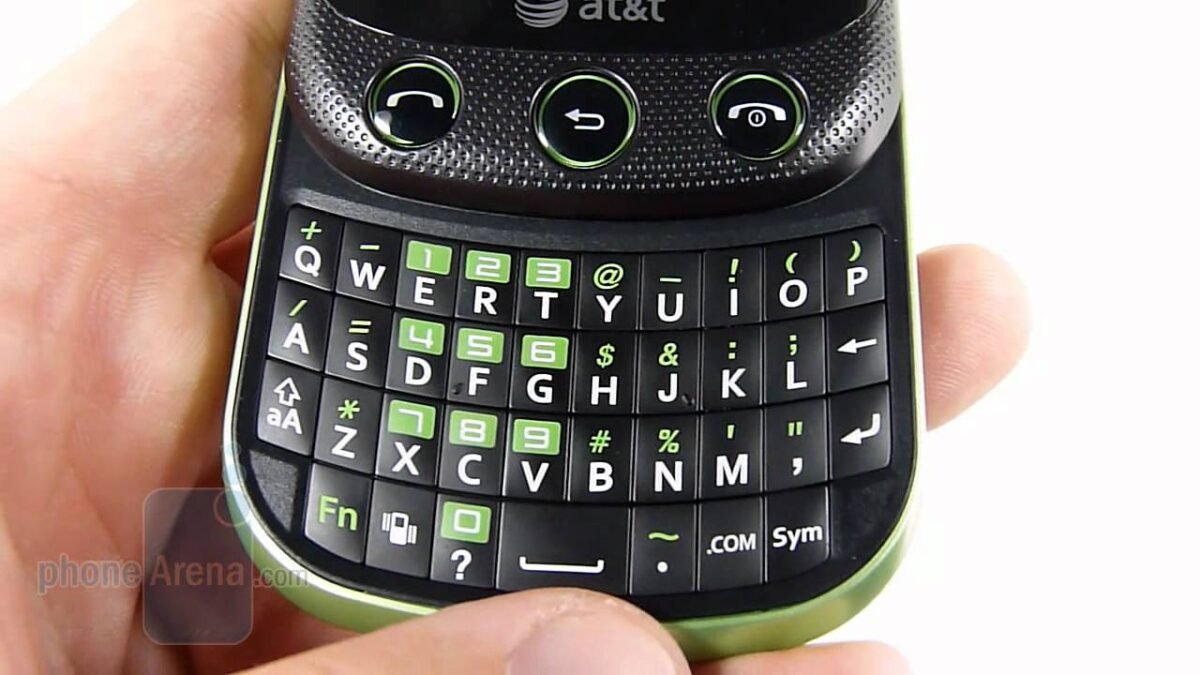
One of the strongest features of the pantech pursuit ii is its slide-out QWERTY keyboard. At a time when touchscreen typing was still developing, physical keyboards were highly valued for speed and accuracy.
The keys are well spaced, making it easier for users to type long messages without frequent errors. This feature made the pantech pursuit ii especially popular among teenagers and professionals who relied heavily on texting.
Typing on this device feels tactile and responsive, something that modern virtual keyboards sometimes struggle to replicate.
| Field | Details |
|---|---|
| Device Name | Pantech Pursuit II |
| Brand | Pantech |
| Release Year | 2011 |
| Type | Slide-out QWERTY Feature Phone |
| Operating System | Brew MP |
| Display | 2.8-inch Touchscreen |
| Camera | 2 MP |
| Network | 3G (AT&T primarily) |
| Purpose | Messaging & Basic Communication |
Camera and Multimedia
The pantech pursuit ii includes a basic 2-megapixel camera, which was standard for phones in its category. It is capable of capturing simple photos in good lighting conditions, but it is not designed for high-quality photography.
Multimedia features are limited to basic music playback, simple video recording, and ringtone customization. The device does not support advanced media editing or streaming apps, which reflects its early-generation software capabilities.
Despite its limitations, the pantech pursuit ii provided enough entertainment options for casual users at the time.
Performance and Software
Inside, the pantech pursuit ii runs on a Brew MP operating system, which is different from Android or iOS. This system is lightweight and optimized for basic phone functions such as calling, messaging, and contacts.
The performance is stable for everyday tasks, but it does not support modern applications or multitasking. Users could access pre-installed apps, but the ecosystem was extremely limited compared to smartphones today.
Even with its simplicity, the pantech pursuit ii performed reliably for communication-focused usage, which was its main purpose.
Connectivity and Battery
In terms of connectivity, the pantech pursuit ii supports 3G networks, which were considered fast during its release period. It also includes Bluetooth for file sharing and basic wireless connectivity options.
However, it lacks Wi-Fi support, which limits internet usage to mobile networks only. As modern networks have evolved, 3G support has become outdated in many regions.
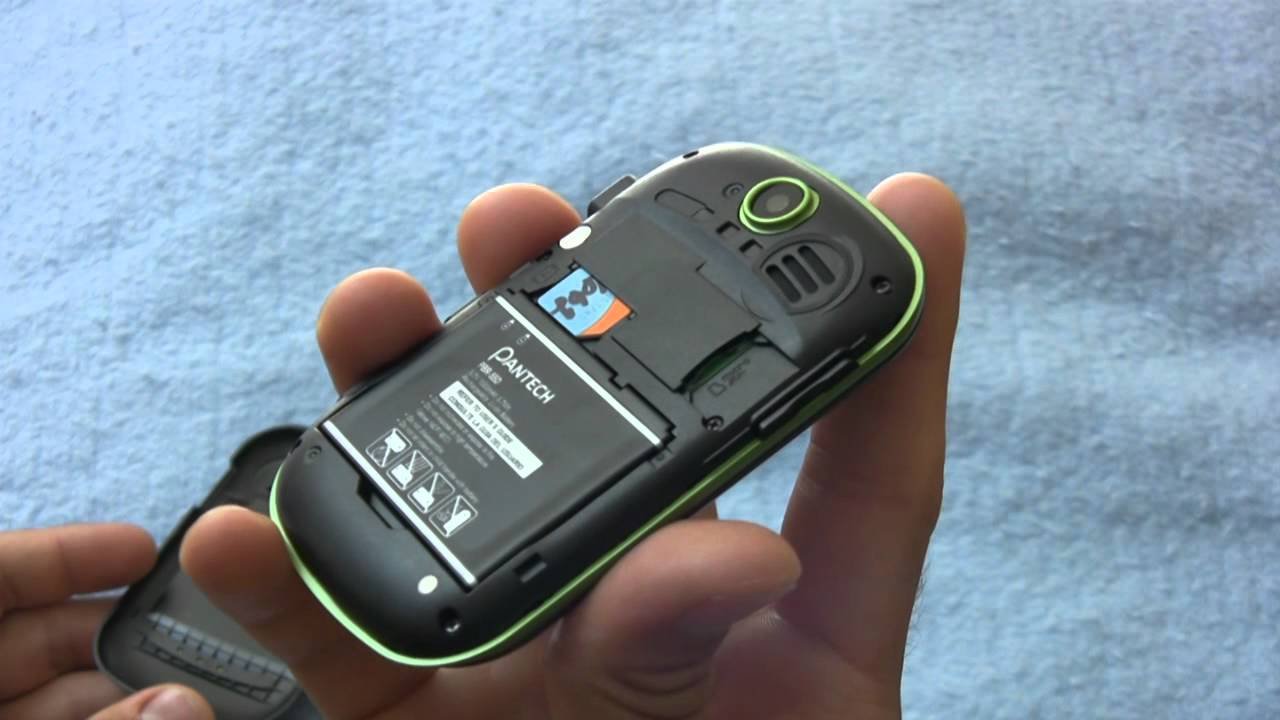
Battery life on the pantech pursuit ii is moderate. It can last a full day under light usage, but heavy texting or calling reduces its endurance significantly. The removable battery design was common and allowed easy replacement.
User Experience in Real Life
In daily use, the pantech pursuit ii delivers a straightforward experience centered on communication. It is not overloaded with features, which makes it easy for users who prefer simplicity.
Many users appreciated how quickly they could send messages using the physical keyboard. The pantech pursuit ii also appealed to those transitioning from older Nokia-style phones but wanting something slightly more modern with a touchscreen.
While it cannot compete with smartphones in terms of apps or internet speed, it offers a nostalgic and focused user experience that many still remember fondly
Why it Mattered
The pantech pursuit ii played a small but meaningful role in mobile phone evolution. It represents the final stage of physical keyboard phones before touchscreen smartphones completely dominated the market.
At its peak, it provided an affordable and efficient alternative for users who were not ready to switch to expensive smartphones. Its design influenced other messaging-focused phones and helped bridge the gap between two mobile eras.
For many users, the pantech pursuit ii was their introduction to touchscreen navigation combined with physical typing convenience.
Limitations Today
Today, the pantech pursuit ii is considered outdated. One of its biggest limitations is the shutdown of 3G networks in many countries, making connectivity difficult or impossible.
It also lacks support for modern applications, internet browsing standards, and security updates. The camera quality and software capabilities are far behind current expectations.
Despite these drawbacks, the pantech pursuit ii remains an interesting collector’s device for those who appreciate early smartphone history.
Conclusion
The pantech pursuit ii is more than just an old mobile phone—it is a reminder of a transitional phase in mobile technology. It combined a touchscreen with a physical keyboard, offering a unique balance between old and new communication styles.
While it cannot match modern smartphones in performance or features, the pantech pursuit ii holds historical value and continues to be remembered for its simplicity, durability, and messaging-focused design.
For anyone interested in mobile phone evolution, this device represents an important step in how we moved from physical keypads to fully digital touchscreens.