Introduction
Quantum dot technology injection is a term that is often used in scientific discussions related to nanotechnology and biomedical research. It refers to the experimental use of quantum dots introduced into biological systems through injection methods in controlled laboratory environments. These particles are not medical treatments used in hospitals but are instead advanced research tools that help scientists study cells, tissues, and disease processes at the microscopic level. Over the past two decades, this field has gained major attention due to its potential in medical imaging, cancer research, and drug tracking systems.
Quantum dots are extremely small semiconductor nanoparticles that behave differently from normal materials due to quantum mechanical effects. Their ability to emit bright, stable, and tunable light makes them highly valuable in scientific imaging and diagnostics research.
What Are Quantum Dots?
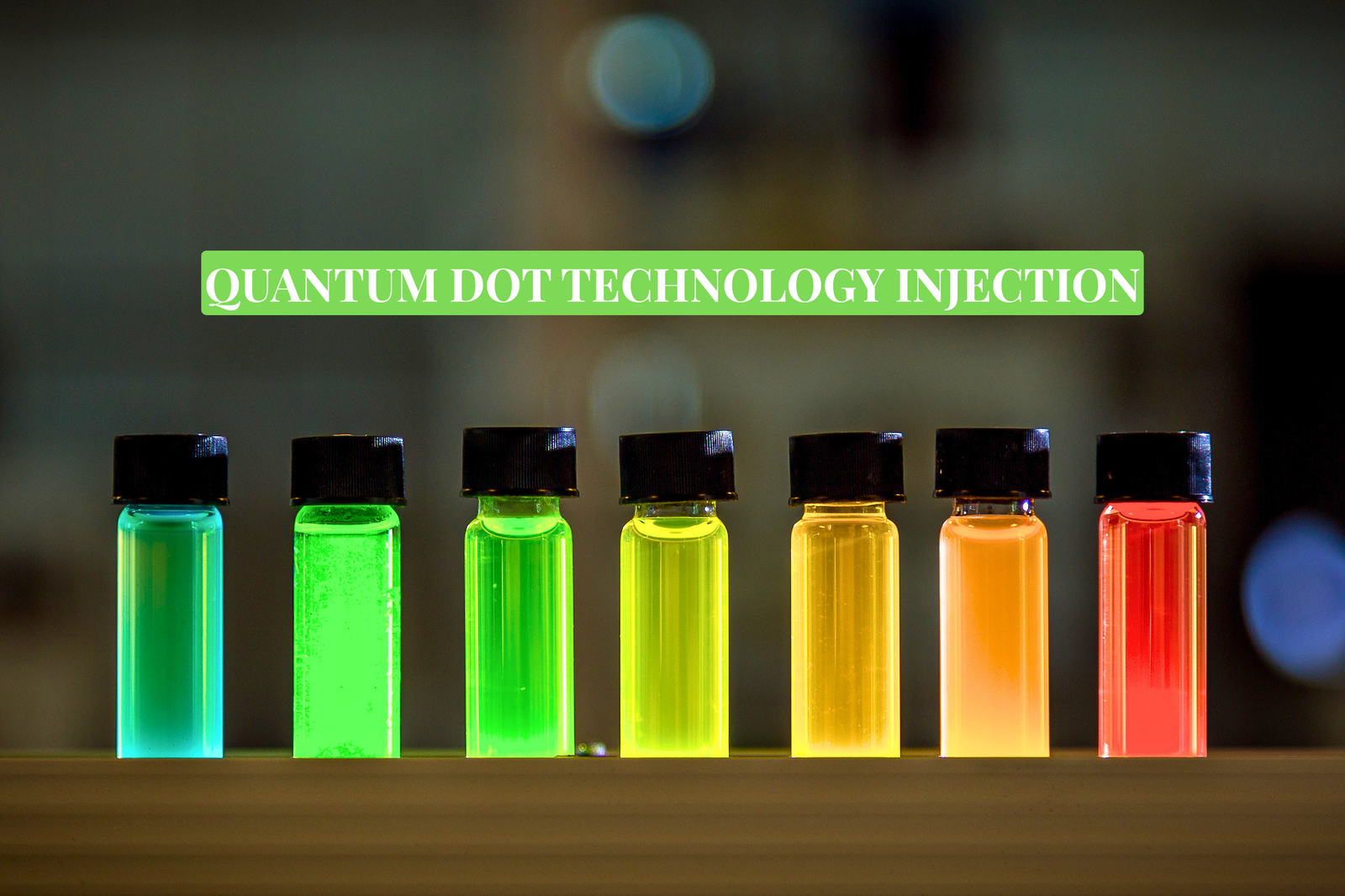
Quantum dots are nanoscale particles, usually between 2 to 20 nanometers in size. At this extremely small scale, materials exhibit unique optical and electronic properties. One of the most important characteristics of quantum dots is their ability to emit specific colors of light depending on their size. Smaller particles emit blue light, while larger ones emit red or infrared light.
These properties make quantum dots powerful tools in fluorescence imaging. Unlike traditional dyes, quantum dots are far brighter and do not fade quickly when exposed to light. This allows scientists to observe biological processes for longer periods with higher clarity and precision.
Quantum dots are widely studied in fields such as nanotechnology, chemistry, and biomedical engineering due to their versatility and stability in imaging applications.
What Is Quantum Dot Technology Injection?
Quantum dot technology injection refers to the process of introducing quantum dots into biological systems through injection methods for research purposes. This is typically done in laboratory settings using cell cultures or animal models to study how these particles behave inside living organisms.
Once injected, quantum dots can be tracked using imaging equipment because they emit bright fluorescent signals. Scientists use this ability to monitor how cells function, how diseases develop, and how drugs move through the body.
It is important to understand that this is not a medical treatment approved for human use. Instead, it is a scientific technique used to gather data for future medical advancements.
How Quantum Dot Technology Works
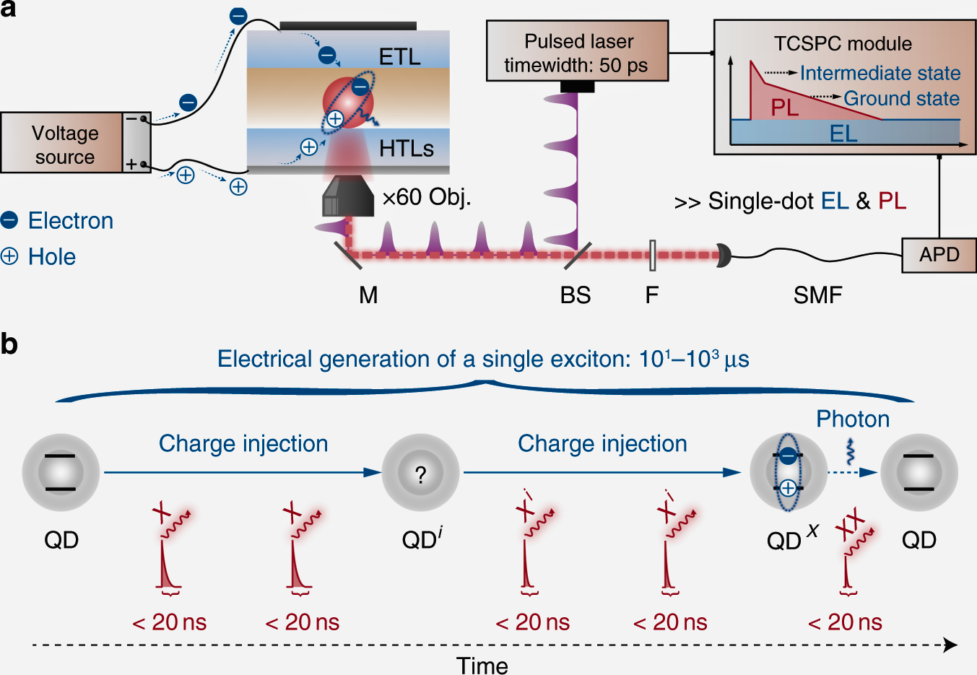
The working principle of quantum dots is based on quantum mechanics. When electrons inside these particles are confined to a very small space, they produce discrete energy levels. This confinement is what allows quantum dots to emit light of different colors based on their size.
In biological applications, quantum dots are often coated with special materials that allow them to bind to specific cells or molecules. After injection, they travel through biological systems and attach themselves to targeted areas. When exposed to light, they glow, allowing researchers to observe biological processes in real time.
This technology provides a level of detail that traditional imaging tools cannot achieve, making it highly valuable in modern biomedical research.
Applications of Quantum Dot Injection Technology
Medical Imaging Research
One of the most important applications of quantum dot technology is medical imaging. These particles provide extremely bright and stable signals, making it easier for scientists to observe tissues and cellular structures.
Researchers are exploring their use in tumor imaging, vascular mapping, and cellular tracking. This could potentially lead to earlier detection of diseases and more accurate diagnostic systems in the future.
Quantum Dot Technology Injection – Bio Table
| Category | Details |
|---|---|
| Technology Name | Quantum Dot Technology Injection |
| Scientific Basis | Nanotechnology + Quantum physics |
| Main Material | Semiconductor nanoparticles (Quantum Dots) |
| Size Range | 2 – 20 nanometers |
| Purpose | Research-based imaging and biological tracking |
| Application Type | Experimental (laboratory / preclinical studies) |
| Main Uses | Medical imaging, cancer research, drug tracking, biosensing |
| Working Method | Injected into biological systems and tracked using fluorescence |
| Key Feature | Emits bright, size-dependent light signals |
| Advantages | High brightness, stability, multi-color imaging, high precision |
| Limitations | Possible toxicity, bioaccumulation, not approved for humans |
| Current Status | Research stage only |
| Future Potential | Early disease detection, precision medicine, targeted therapy |
| Safety Level | Not yet confirmed safe for clinical human use |
Cancer Detection Studies
Quantum dots are widely used in cancer research due to their ability to target specific biomarkers. Scientists can attach targeting molecules to quantum dots so they bind to cancer cells after injection.
This allows tumors to be visualized more clearly in imaging scans. Such technology may help in identifying cancer at early stages and improving treatment monitoring in future medical applications.
Drug Delivery Tracking
Another important use of quantum dots is in drug delivery research. Scientists attach drugs to quantum dots to track how medications move through the body.
This helps researchers understand how effectively drugs reach their target areas, how long they remain active, and how they are processed by the body. This information is essential for developing more efficient and personalized treatments.
Biosensing and Diagnostics
Quantum dots are also used in biosensors due to their strong fluorescent signals. They can detect extremely low levels of biological molecules, making them useful for identifying diseases, infections, and genetic conditions.
This sensitivity makes quantum dots a promising tool for next-generation diagnostic systems that aim for faster and more accurate disease detection
Benefits of Quantum Dot Technology Injection
Quantum dot technology offers several scientific advantages that make it superior to many traditional imaging methods.
One major benefit is its exceptional brightness, which allows for clearer and more detailed imaging results. Another advantage is its photostability, meaning quantum dots do not fade easily under light exposure, allowing long-term observation of biological processes.
They also support multi-color imaging, enabling researchers to track multiple targets simultaneously. This improves efficiency in complex biological studies. Additionally, their ability to be chemically modified allows them to target specific cells or molecules, increasing precision in research applications.
Safety Concerns and Limitations
Despite its advantages, quantum dot technology also comes with challenges. One of the main concerns is toxicity. Many quantum dots contain heavy metals such as cadmium, which can be harmful if released into biological systems.
Another concern is bioaccumulation, meaning these particles may remain in the body for long periods without being fully removed. This raises questions about their long-term safety in living organisms.
Because of these risks, quantum dot injection is currently limited to laboratory research and is not approved for human medical treatment. Scientists are actively working on developing safer, non-toxic versions made from alternative materials such as carbon or silicon.
Recent Developments in Quantum Dot Research
In recent years, researchers have made significant progress in improving quantum dot safety and functionality. New versions of quantum dots are being developed with biocompatible coatings that reduce toxicity risks.
Near-infrared quantum dots are also being studied for deeper tissue imaging, allowing scientists to observe internal organs more clearly. Additionally, multifunctional systems known as theranostics are being developed, which combine diagnosis and treatment in a single platform.
These advancements suggest that quantum dot technology may play an important role in future medical innovations.
Future of Quantum Dot Technology Injection
The future of quantum dot technology is promising but still under development. As researchers continue to improve safety and effectiveness, quantum dots could become essential tools in personalized medicine.
They may help doctors detect diseases earlier, track treatments more accurately, and deliver drugs more precisely. However, before this becomes possible, extensive clinical testing and regulatory approval are required to ensure safety for human use.
Conclusion
Quantum dot technology injection represents an advanced area of nanotechnology research with significant potential in biomedical science. While it is not currently used as a medical treatment, it plays an important role in imaging, cancer research, biosensing, and drug tracking studies.
Its unique optical properties make it one of the most powerful tools for observing biological systems at the nanoscale. However, concerns regarding toxicity and long-term safety must be addressed before it can move from laboratory research to clinical application.
As science continues to evolve, quantum dot technology may become a key component of future diagnostic and therapeutic systems, shaping the next generation of precision medicine.
FAQs quantum dot technology injection
Q: What is quantum dot technology injection?
A: It is an experimental research method where quantum dots are injected into biological systems for imaging and scientific studies.
Q: Is quantum dot technology injection a medical treatment?
A: No, it is not a medical treatment. It is mainly used in laboratory and preclinical research.
Q: What are quantum dots used for in injection studies?
A: They are used for tracking cells, imaging tissues, and studying how drugs move inside the body.
Q: Are quantum dots safe for human use?
A: Not fully. Some types may contain toxic materials, so they are not approved for general human medical use.
Q: Why is quantum dot technology injection important?
A: It helps scientists understand diseases better and improves future medical imaging and diagnostic research.